


Import toys from china to india

How to Import Toys from China to India: Compliance Checks and Shipping

Before importing toys from China to India, check product eligibility, the manufacturer’s certification position, labelling, classification and the full delivered cost. A marketplace listing or an ordinary inspection report does not establish that the product meets Indian requirements. IFC – Imports From China Inc can assess your sourcing and shipping enquiry before you commit to an order.

Check the applicable toy requirements before paying

BIS lists toys among products covered by compulsory certification requirements. Its foreign-manufacturer guidance explains that notified products require the Standard Mark under a valid BIS licence. Review the current Toys Quality Control Order, amendments, scope and any applicable exemptions or transition provisions for the actual product and proposed import.

Use the BIS compulsory-certification list and orders and foreign-manufacturer FAQs as starting points. Do not rely on a seller’s statement that an unrelated certificate makes every toy eligible.

What to request from the supplier

  • Manufacturer’s legal name and manufacturing-site address.
  • Exact model, product photographs, intended age group, materials and intended use.
  • Relevant certification or licence details and the product scope claimed by the manufacturer.
  • Packaging, markings, warnings and labelling artwork for review before production.
  • Battery and electrical specifications where applicable, along with packing details.

Have the documents checked against the actual factory and goods. Confirm the applicable standards and marking requirements with a qualified compliance specialist before ordering. A sample purchase is not automatically exempt from product rules.

Agree inspection separately from certification

Approve the product specification and a representative sample where practical. Agree an inspection scope covering quantities, workmanship, packaging and the features you need checked. Discuss safety testing and any specialised assessment separately. A visual inspection cannot substitute for required certification or laboratory testing.

Confirm the HS classification and duty estimate

Provide the product’s function, materials, age group, electrical features and technical details for classification review. Avoid applying one duty percentage to all products marketed as toys. Check the effective tariff and applicable measures using the ICEGATE Trade Guide on Imports, then obtain a shipment-specific estimate. See our import-duty and landed-cost guide.

Plan packing and shipping from China

Ask for carton dimensions, gross weight, carton count and quantity per carton. Large lightweight toys can occupy substantial space, so compare freight using the packed cargo rather than unit weight alone. Identify batteries, liquids, magnets and other special handling features before booking.

Discuss air, LCL or FCL against the actual volume, handling needs and required delivery date. Read our FCL versus LCL comparison. No single mode is cheapest for every order; compare quotations on the same delivery scope.

Prepare a complete order and delivery plan

  1. Review the actual product and current import requirements.
  2. Confirm the manufacturer, documentation, approved specification and order terms.
  3. Agree inspection, testing and how discrepancies will be resolved.
  4. Confirm warehouse receipt instructions and any multi-supplier consolidation.
  5. Review the freight, clearance-support and final-delivery quotation.
  6. Confirm the importer of record and required documents before dispatch.

IFC’s DDP service can be discussed for eligible cargo. Request written inclusions and exclusions; a DDP arrangement does not remove product-compliance requirements.

Frequently asked questions

Can a supplier’s certificate cover every toy it sells?

Do not assume so. Check the manufacturer, site, applicable product scope and current validity against the actual goods.

Does inspection make an uncertified product eligible?

No. Inspection, testing and any required certification have different roles. Resolve the applicable requirements before shipment.

Can I consolidate toys from several suppliers?

Discuss consolidation after each product and supplier’s documentation has been reviewed. Keep each line item and manufacturer identifiable in your order and packing records.

Request a toy sourcing and shipping assessment

Send product links, photographs, manufacturer details, certification information, quantity, value, packed dimensions, weight and Indian delivery pincode. WhatsApp IFC: +91 99119 51631 or submit an enquiry. Explore our toys service page and office and delivery city guides.
Electrical Items

Import Electrical Items from China at Wholesale Prices for Your Business in India

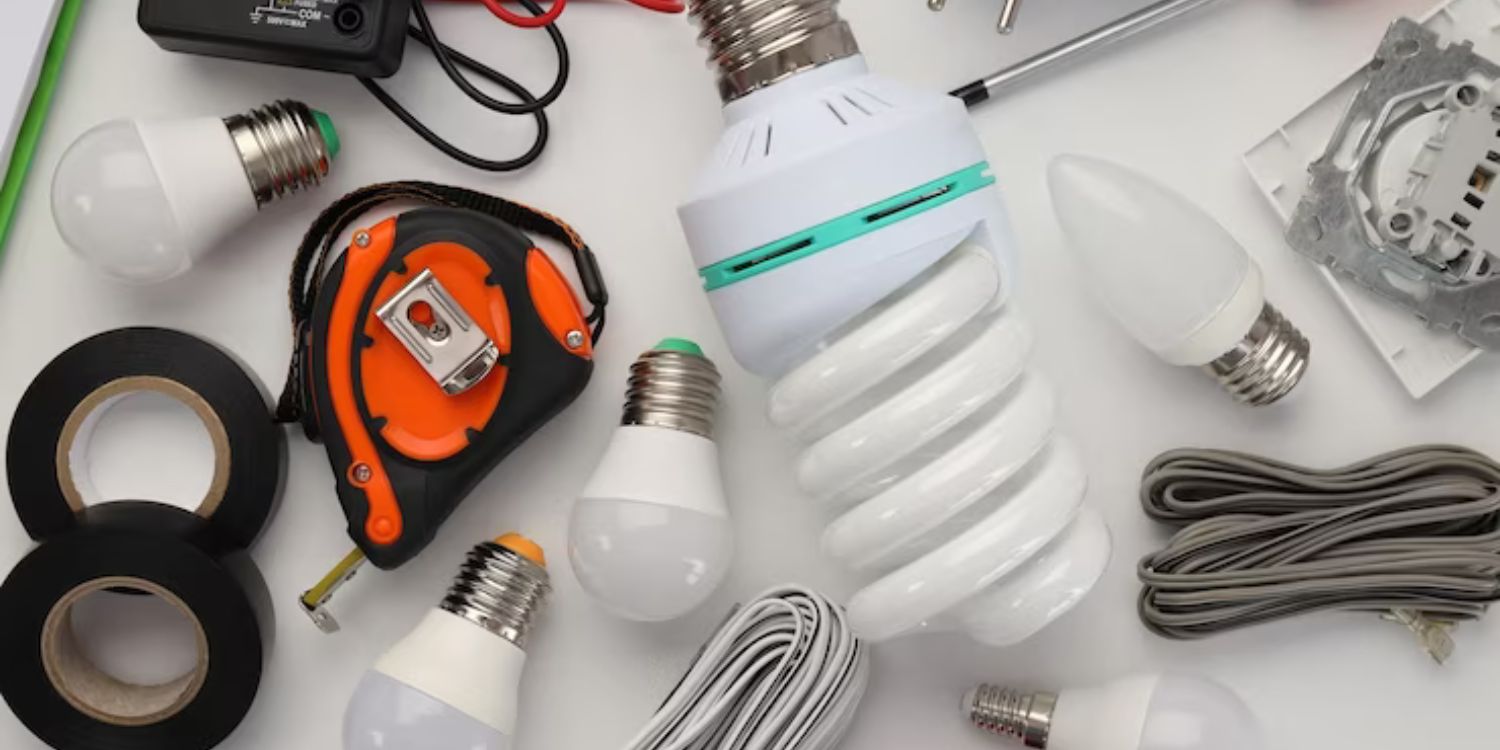
Importing electrical items from China to India has become increasingly popular in recent years. China is the world’s largest exporter of electrical equipment, offering Indian importers high-quality products at competitive prices. In this blog post, we’ll provide a guide on how to successfully import electrical items from China to India. 

Why Import Electrical Items from China?

There are several key reasons why importing electrical items from China makes sense for Indian buyers:

  • Lower Prices – Manufacturing costs are generally cheaper in China, so importers can source electrical products at lower prices compared to domestic Indian manufacturers. This results in higher profit margins.
  • Good Quality – Many Chinese manufacturers produce electrical items that meet international quality standards at affordable rates. Brands like Xiaomi and Realme have found success in India with their China-made products.
  • Wide Range – China produces a vast range of electrical goods – from home appliances, audio-visual equipment, wires and cables, to industrial machinery. There’s abundant choice for Indian importers to select from.
  • Developed Infrastructure – China has extremely well-developed manufacturing, logistics and export infrastructure making sourcing and transporting electrical goods to India efficient.

How to Import Electrical Items from China?

Follow these steps for a smooth import process:

  • Find reputed suppliers – Use trade directories or visit China to find manufacturers or trading companies that produce the electrical items you want to import. Negotiate for the best price and order minimums.
  • Ensure compliance with Indian standards – Many electrical products need to meet standards set by the Bureau of Indian Standards (BIS). Check that the items conform to the required certifications.
  • Arrange shipping and customs clearance – Pick a suitable shipping option via sea, air or rail to suit your budget and delivery timeframe. Hire a customs broker to handle customs clearance formalities at the Indian port. 
  • Make payments safely – Do transactions with Chinese suppliers through bank transfers or payment platforms like PayPal. Be cautious of any requests for advance payment.
  • Ensure warranty coverage – Electrical items should be covered by warranty terms. Clarify warranty details with the supplier upfront.  

Conclusion:

Importing electrical items from China to India is a lucrative business strategy. By selecting quality products, managing shipping efficiently and clearing customs effectively, Indian importers can source good electrical equipment from China at highly competitive prices. This quick guide summarises the key steps involved in the import process.


mobile accessories

The Journey from Factory to Your Hands: Importing Mobile Accessories from China

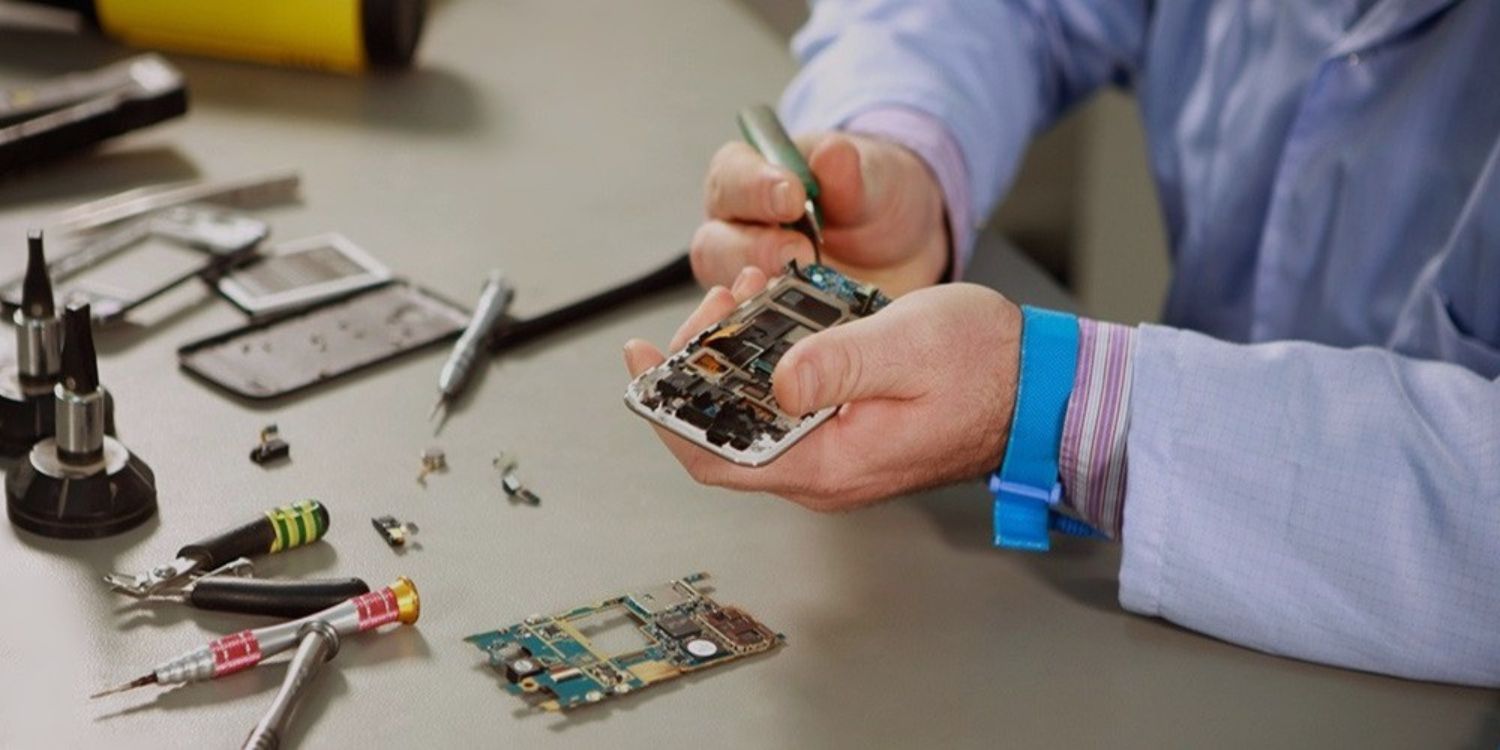
Here at Quality Mobile Imports, we’re often asked how we source some of the latest and most innovative mobile phone accessories to sell at affordable prices in our online shop. As industry experts running a business dedicated to phone and tablet accessories for over a decade, we have a bit of insider knowledge into the supply chain. Specifically, we import many top-selling items directly from manufacturers in China.

In today’s blog post, I wanted to give an inside look into the process, requirements, and considerations of importing mobile accessories straight from Chinese factories and suppliers. My goal is to educate shoppers on exactly why going direct to the source allows us to offer wholesale pricing that beats many giant dropshipping sites. I’ll also touch on some downsides and risks we mitigate as professional importers with the infrastructure to support sourcing goods abroad.

Our Wholesale Cost Advantage

By building long-term relationships with electronics manufacturers overseas in China’s Guangdong province, we buy iPhone cases, charging cables, selfie sticks, and tablet keyboards at pennies on the dollar before they ever touch Western soil. Without several rounds of distributor markups on goods that get exported, shipped, and passed through multiple supplier tiers, our base costs are incredibly low. We then pass substantial savings along to our customers. Margins remain healthy because we order bimonthly shipments of thousands of units across accessories.

Streamlined Logistics

While the sea freight logistics of actually transporting pallets of phone accessories from our suppliers abroad to domestic warehouses is daunting for many small businesses, our importing team has it down to a science. We don’t blink an eye at reams of customs paperwork and rely on an efficient network of freight forwarders and trusted shipping partners to make the process seamless. This prevents costly hangups at ports or warehouses and allows us to restock hot products faster than competitors.

Vetting Product Quality

Of course, the massive deals we leverage via China imports could quickly turn negative if merchandise quality is subpar. That’s why our head buyer makes annual trips abroad to check each partnered factory floor firsthand and inspect random sampling from production lines. By building personal trust and technical knowledge on manufacturing standards for power adapters, cables, phone lenses and more, we feel confident upholding standards that protect consumer safety. The few times defects occurred, issues were handled immediately at the overseas end for replacement and improvement.

Language Bridge Building

While many electronics production hubs have moved toward employing English language sales teams, translations mishaps nonetheless abound between parties when negotiating across cultures. Our head buyer and our overseas chief liaison have worked closing together for 7+ years, allowing them to move seamlessly between discussing technical specifications and casual dinner banter. They serve as the human bridge between factories abroad and stateside executives to align global quality expectations and production capacity behind the growing demand for our imported goods.

At the end of the day, selling wholesale quantities of mobile accessories imported direct from Chinese manufacturing partners allows our team to access unbeatable bulk pricing that gets passed on for customer savings. We mitigate risks around shipping, quality, language, and relationship uncertainties through over a decade managing a dedicated importing arm customized to our strengths as a leading online retailer in phone and tablet accessories.

As another successful year selling imported goods winds down, we sincerely thank our loyal customer base who believes that affordable pricing and quality can go hand-in-hand. We promise to continue leveraging global partnerships abroad paired with robust infrastructure here at home to uphold that core commitment into 2024 and beyond!

Hardware imports

Sourcing Excellence: How Dealers Import Hardware from China to India

Bringing Quality Hardware from China: Why It’s a Game Changer

As an Indian hardware dealer, finding reliable and affordable sources for quality imported products is essential for gaining an edge over your competitors. And with its manufacturing capacity and lower labour costs, China has become one of the top places to procure hardware ranging from fasteners and fittings to tools and appliance components.

But for the uninitiated, launching and sustaining an effective import operation directly from Chinese suppliers can be overwhelming. Thankfully with the right approach and processes in place, your wholesale hardware business can reap tremendous benefits from these imports with fewer risks or surprises down the road.

Where to Start When Looking for Suppliers?

Casting a wide initial net is key when scoping Chinese manufacturers. Online business directories like Made-In-China.com feature search filters allowing you to pinpoint suppliers based on specific product categories, minimum order quantities, production capabilities and more. Run a search for “hardware manufacturers” complemented by the niche you plan to focus on first.

You’ll also want to check for suppliers exhibiting at industry trade shows in your region. Events like the China Import and Export Fair bring thousands of brands across various sectors hoping to connect with wholesale buyers and dealers from India and beyond. Attending allows for meeting contacts in person and vetting offerings through samples on display.

Why Relationships With Chinese Suppliers Matter

In Chinese business culture, the foundation of cooperation and trust in partnerships is valued especially highly. Demonstrate your long-term commitment to suppliers you wish to engage beyond one-off purchase orders. This builds loyalty which leads over time to better pricing, quality assurances, fulfilment reliability and more for your imports.

It’s also prudent to keep communication regular with key contacts or account managers assigned to you by the supplier. Using messaging apps like QQ or WeChat used commonly in China keeps your lines open for clarification needs or quick resolution when rare issues arise. Having contacts who vouch for you internally to decision makers is meaningful when seeking customised solutions as your business evolves.

Understanding Terms of reference

As a hardware importer getting supplies shipped internationally, you must consider Incoterms when formalising purchase orders with manufacturers. Incoterms are delivery specifications dictating cost allocations and other obligations between buyers and sellers during the shipping process.

For example, Ex-Works is favourable for the supplier where your wholesale business takes on costs/duties once goods leave the factory while FOB puts delivery responsibilities on the Chinese partner until the shipment reaches your India port. Analysing total landed costs with Rupee conversions factored in helps determine the optimal Incoterm structure for you per hardware category and order.

Handling Customs, Taxes, and Laws

The duties leveled on various product types imported to India can fluctuate so staying abreast of the latest rates is key. Connecting with a local Customs clearance partner helps steer your shipments through Indian ports like Nhava Sheva without hassles, delays or unexpected hikes lowering your margin.

Your appointed customs broker should manage standard clearance documentation along with certificates like Country of Origin and Packaging Lists. They’ll also interface with agencies like the Directorate General of Foreign Trade when needing Import Export Code updates or other compliances.

Reducing Hazards

While substantial cost incentives exist when importing directly from Chinese suppliers, product quality assurance remains a top priority. Be sure to request samples before orders are mass produced by any new manufacturer. Run durability tests mimicking real-world conditions if defects could impact consumer safety once resold domestically.

Translation services and personnel vetting product specifications early on reduces chances of miscommunication on required finishes, voltage variances or compatibility with Indian machinery.

Intellectual property protection is another consideration needing safeguards via supplier agreements. Require non-disclosure policies and manufacturing exclusivity clauses especially when providing product designs unique to your business for production sourcing overseas.

The Winning Combination

By taking a strategic approach leveraging the right mix of relationships, Incoterm structuring, and risk mitigation practices, hardware importers in India can reap major competitive advantages from Chinese manufacturing connections. As policy barriers drop between the Asian economic giants, these sourced imports fuel further bilateral trade development benefiting businesses on both sides of the supply chain.

With attention to small details that often get overlooked by new entrants, your dealer enterprise can expand market share exponentially while delighting customers with greater access to novel, affordable hardware. The upfront effort spent sourcing the “made in China” partner equipped for mutually gainful exchange pays dividends every shipment china to india  heading your way.

So tap into mainland manufacturing might realise sourcing excellence today! India’s hardware hunger shows no signs of abating and dealers who adapt sourcing models to ride the inbound import wave will thrive.

Things You Must Know Before Importing Your Furniture from China

While purchasing furniture from China can be profitable, there are also risks. To ensure a successful and easy interaction, it’s crucial to be prepared and aware. In this comprehensive guide, we’ll walk you through the five most important considerations you should make when importing furniture from China. Everything from comprehending import laws to conducting quality inspections is something we can assist you with.

Imported Furniture

1) Importing Guidelines

Before you start importing furniture, it’s crucial to familiarize yourself with the import regulations in your nation. These rules outline the permitted imports, the necessary authorizations, and any restrictions. Depending on where you live, there can be specific rules for importing wooden furniture or upholstery materials. To avoid delays, fines, or possibly having your merchandise seized, you must abide by these laws.

2) Custom Charges

Understanding custom fees is essential for creating an exact budget for your import operation. Tariffs, taxes, and customs fees can have a big effect on your overall expenses. To assure compliance and reduce unanticipated costs, research the precise fees that apply to furniture imports in your nation and think about consulting a customs specialist.

3) Research About Furniture Suppliers

Choosing the right furniture dealer is arguably the most crucial step in the import process. Look into possible Chinese suppliers in great detail. Pick companies that have a history of delivering high-quality products on schedule. Read customer reviews, seek out referrals, and consider visiting their factory if you can. To succeed, an import business needs to build a strong relationship with a reliable supplier.

4) Confirm About Minimum Order Quantity

Minimum order quantity (MOQ) requirements are common among Chinese furniture makers. Make sure you comprehend and concur with the MOQ established by your chosen provider before concluding any deals. Sometimes it is possible to negotiate the MOQ, but it’s crucial to strike a balance that benefits all sides. Remember that price and shipping expenses may change depending on whether the MOQ is met.

5) Don’t Forget About Quality Inspection

It is crucial to guarantee the quality of your imported furniture. Make sure to schedule a quality inspection before your products depart China. Before the products are dispatched, you can find and fix any problems with them, such as flaws or damage, by using a third-party inspection service. Long-term savings from this proactive strategy include time, money, and possible client unhappiness.

Summary

Importing furniture from China can be a lucrative venture, but it’s not without risks. To succeed, it’s crucial to be well-informed and prepared. Always start by understanding your country’s import guidelines and custom charges. Research and choose reputable furniture suppliers, confirming their MOQ requirements. Lastly, don’t overlook the importance of quality inspection to ensure that the products you import meet your and your customers’ standards. By following these essential steps, you can navigate the complexities of importing furniture from China and build a thriving furniture business.